
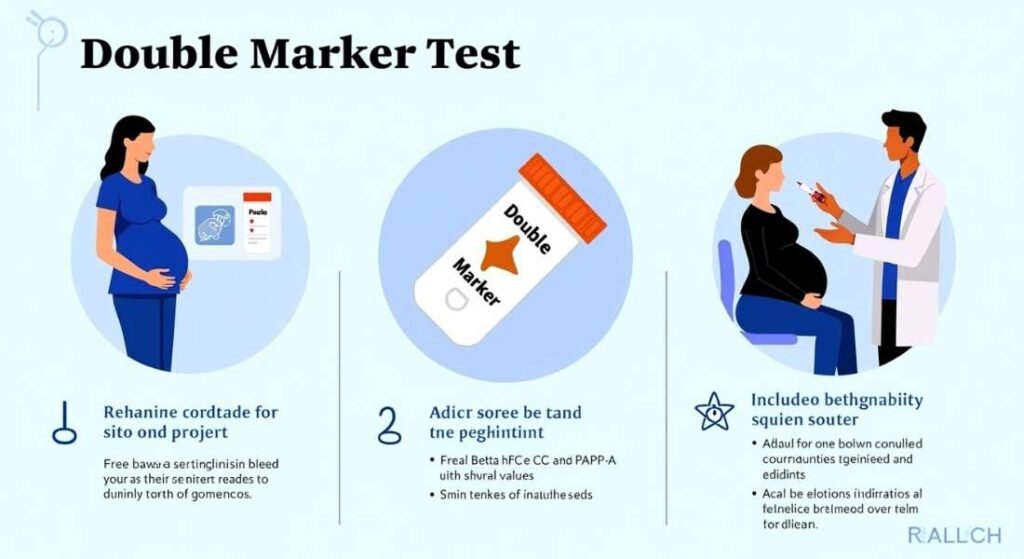
The journey of pregnancy is filled with excitement curiosity and also a fair share of anxiety. Expecting parents often worry about the health of their baby and look for ways to ensure early detection of any potential complications. This is where double marker test weeks become extremely important. The double marker test is a key prenatal screening designed to assess genetic conditions in the early stages of pregnancy.
Understanding the importance of double marker test weeks allows parents to stay informed and prepared. Since this test focuses on identifying chromosomal abnormalities like Down syndrome it gives families an opportunity to take the right steps in time.
What is the Double Marker Test?

The double marker test is a type of prenatal blood test that evaluates the chances of chromosomal abnormalities in the fetus. It specifically looks at the levels of two important biochemical markers in the mother’s blood Free Beta hCG human chorionic gonadotropin and PAPP A pregnancy-associated plasma protein A. Abnormal levels of these proteins may indicate an increased risk of genetic conditions.
When combined with an ultrasound scan, the results from the double marker test provide a more complete picture of the baby’s health. This test does not confirm a diagnosis but rather gives an estimate of whether further testing might be required.
When are Double Marker Test Weeks Scheduled?
Timing plays a crucial role in the effectiveness of the double marker test. Doctors generally recommend scheduling it between the 11th and 14th week of pregnancy. This specific window is considered the most reliable period because the biomarkers in the mother’s blood and the growth of the fetus are at an optimal stage for accurate screening.
If taken before the 11th week, the results may not be reliable, while after the 14th week the effectiveness decreases. That is why most gynecologists emphasize booking an appointment during the double marker test weeks without delay. By following this timeline, parents not only receive accurate results but also get enough time to decide on follow-up tests if needed.
Why Double Marker Test Weeks are Important for Pregnant Women?
Pregnancy comes with countless questions and one of the most common concerns is the baby’s genetic health. The double marker test provides valuable information about the likelihood of chromosomal disorders particularly trisomy 21 (Down syndrome) trisomy 18 and trisomy 13. For women over the age of 35 this test becomes even more essential since the chances of chromosomal abnormalities increase with maternal age.
By scheduling the test within the recommended double marker test weeks, women gain an early advantage in monitoring their pregnancy. The results help doctors guide parents toward genetic counseling or advanced diagnostic procedures like amniocentesis or chorionic villus sampling CVS if risks are detected. This proactive approach not only reduces uncertainty but also ensures that the pregnancy is managed with greater care.
Step by Step Guide to Scheduling Double Marker Test Weeks?
The first step is consulting your gynecologist as soon as you enter the 11th week of pregnancy. Most doctors recommend combining the blood test with the NT nuchal translucency scan to improve accuracy. After the consultation your doctor will refer you to a diagnostic center or hospital where the test is available.
During the double marker test weeks make sure you book your appointment in advance because these tests are usually conducted within a limited timeframe.
Benefits of Scheduling Double Marker Test Weeks on Time

The biggest advantage of scheduling the test within the recommended timeframe is early clarity. When expecting parents know about potential risks in the first trimester, they can prepare emotionally and medically for the next stages of pregnancy. Timely results also reduce anxiety, giving mothers peace of mind that they are taking proactive steps for their baby’s health.
Completing the test during the double marker test weeks also allows doctors to combine it with the nuchal translucency scan for more accurate screening.
Risks and Side Effects During Double Marker Test Weeks
One of the most reassuring aspects of the double marker test is that it is non-invasive. Unlike diagnostic procedures such as amniocentesis this test involves only a simple blood draw and poses no physical risk to the mother or the baby.
This makes it one of the safest prenatal screenings available during the first trimester. Some women may experience mild discomfort or slight bruising at the site of blood withdrawal, but these effects are temporary and resolve quickly.
Limitations of the Double Marker Test
While the double marker test is highly useful it is important to recognize its limitations. This test does not provide a definitive diagnosis of chromosomal abnormalities it only assesses the risk factor. A high risk result may create anxiety but it does not always mean the baby has a genetic disorder. In such cases doctors recommend confirmatory tests like amniocentesis or chorionic villus sampling CVS.
Another limitation is that the accuracy of the test depends largely on the timing. If the double marker test weeks are missed the screening may not be as effective.
Understanding the Procedure of Double Marker Test
The procedure of the double marker test is relatively simple and safe. It begins with a routine blood sample taken from the mother’s vein usually in the arm. This blood is then analyzed in a specialized laboratory to measure the levels of Free Beta hCG and PAPP-A. Alongside the blood test, doctors may recommend an ultrasound scan called the nuchal translucency NT scan which measures the thickness at the back of the fetus’s neck.
The combination of blood test results and ultrasound findings enhances the accuracy of screening. During the double marker test weeks this procedure does not pose any harm to the mother or baby, making it one of the safest early screening options available artificial intelligence trends.
Preparing for Double Marker Test Weeks

Pregnant women often wonder if special preparations are needed before going for the double marker test. The good news is that this screening does not require strict fasting or dietary restrictions. However doctors generally advise expecting mothers to stay well-hydrated and avoid unnecessary stress before the test. Proper sleep the night before can also contribute to a smooth experience.
During the double marker test weeks, maintaining a healthy lifestyle helps ensure accurate results. Since the test measures protein and hormone levels in the blood it is important that women continue following their prescribed prenatal vitamins and diet plans as recommended by their gynecologist.
Conclusion
The double marker test weeks ideally scheduled between the 11th and 14th week of pregnancy play a vital role in modern prenatal care. This simple blood test when paired with an NT scan helps doctors assess the risk of chromosomal abnormalities early on. While it does not provide a final diagnosis it offers expecting parents valuable insights that guide further medical decisions with confidence.
By completing the test within the recommended window families gain peace of mind and the opportunity to act proactively if needed. The double marker test weeks ensure that pregnancy is managed with greater awareness safety and preparedness, making them an essential step in safeguarding both mother and babys health.
FAQs
What are double marker test weeks?
Double marker test weeks refer to the 11th to 14th weeks of pregnancy when the screening is most accurate. This test checks for the risk of chromosomal abnormalities in the baby.
Why is the double marker test important?
It helps doctors identify the chances of genetic conditions like Down syndrome early in pregnancy. Doing the test in the right weeks gives parents timely guidance.
Is the double marker test safe for mother and baby?
Yes, the test is completely safe. It only involves a blood sample from the mother and does not affect the baby in any way.
How are the results of the double marker test interpreted?
The results are given as low risk or high risk. Low risk means very little chance of abnormalities, while high risk may require further diagnostic tests.
What happens if I miss the double marker test weeks?
If the test is missed after 14 weeks doctors may recommend other screenings like the triple marker test or advanced genetic tests.